The calendar year 1862 was the first in which the war was fought at full intensity on multiple fronts simultaneously. The Union strategic effort was now organised under the so-called Anaconda Plan — the strategic concept formulated by the elderly General Winfield Scott in May 1861 — which envisaged a naval blockade of the Confederate coast (to deny the Confederacy access to European industrial goods and the export of cotton), control of the Mississippi river (to cut the Confederacy in two), and the eventual conquest of the Confederate heartland by overland armies operating from multiple directions. The plan was substantially the strategy the Union would, in fact, pursue across the next four years. The campaign of 1862 was its first serious test.
The western theatre
The 1862 western campaign opened with the Union victories at Forts Henry and Donelson on the Tennessee-Cumberland river system in February — fought by an unfamiliar Union general called Ulysses S. Grant, who demanded "unconditional and immediate surrender" of Fort Donelson's garrison on the 16th of February and received it. The two victories opened the Tennessee and Cumberland rivers into the Confederate heartland and forced the Confederate withdrawal from Kentucky and middle Tennessee. The campaign continued with the Battle of Shiloh (Pittsburg Landing) on the 6th-7th of April 1862, in which a Confederate army under Albert Sidney Johnston (no relation to Joseph E.) surprised Grant's force in camp on the morning of the 6th, drove it back to the river by evening, and was then driven off the next morning by Grant's counter-attack and the arrival of Buell's reinforcements. Casualties: approximately 13,000 Union, 10,700 Confederate — at the time the largest single-battle casualty total in American history, exceeding the cumulative casualties of all previous American wars combined. The American public was shocked. Albert Sidney Johnston was killed in the fighting on the 6th — the highest-ranking American officer to die in combat in the war.
The Shiloh casualties and the simultaneous Union naval capture of New Orleans on the 25th of April 1862 (by Admiral David G. Farragut's Mississippi squadron, the largest Confederate city and principal cotton-export port) substantially eroded the early-war assumption that the Confederacy could be defeated cheaply. The remaining Confederate Mississippi-river fortresses — Vicksburg, Port Hudson, Memphis — would consume Union strategic effort for the next eighteen months. Memphis fell in June 1862; Vicksburg and Port Hudson would hold until July 1863.
The Peninsula Campaign
The eastern theatre's 1862 campaign was conducted by George McClellan, the Union Army of the Potomac commander, who had spent the autumn and winter of 1861-62 training his army to a high standard of organisational discipline. McClellan's plan, the so-called Peninsula Campaign, was strategically imaginative: rather than attempting an overland advance south to Richmond across the Bull Run battlefields and through the difficult Virginia tidewater country, McClellan would transport his army by sea to the Yorktown peninsula east of Richmond and advance up the peninsula to the Confederate capital. The plan minimised exposure to Confederate counter-attack on the supply lines and maximised the use of Union naval superiority. It was approved by Lincoln in February 1862; the Army of the Potomac began landing at Fort Monroe on the 17th of March.
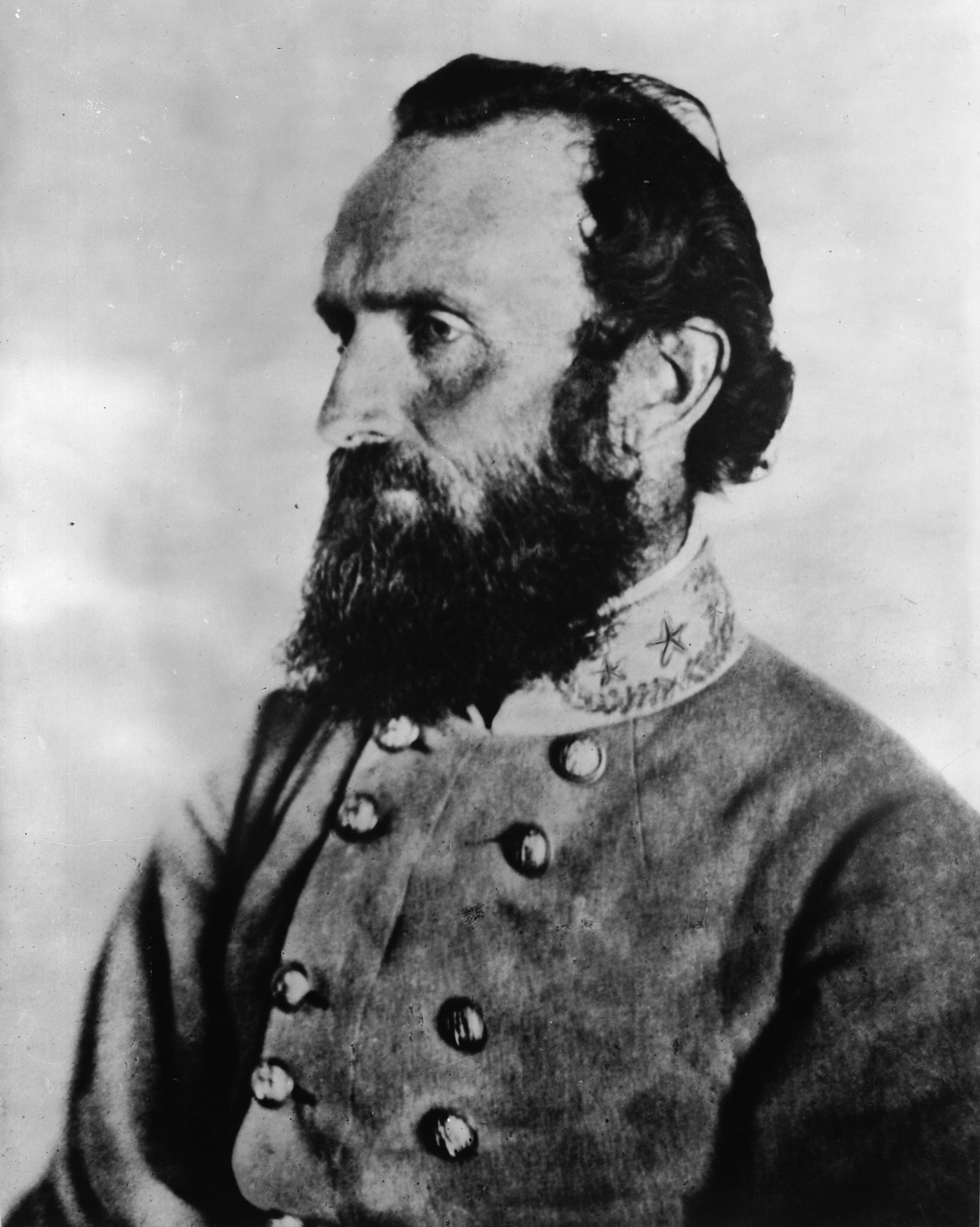
McClellan's execution of the campaign was notoriously slow. He besieged the under-defended Confederate line at Yorktown for a month rather than assaulting it; he advanced on Williamsburg in early May and then halted for a fortnight; he had reached the outskirts of Richmond by the end of May with an army of 100,000 men against a Confederate force of approximately 70,000. The Battle of Seven Pines on the 31st of May was fought outside Richmond with mixed tactical results; the Confederate commander Joseph E. Johnston was severely wounded and replaced by Robert E. Lee — the appointment that would shape the eastern theatre for the next three years. Lee, in his first month of command, reorganised the Confederate force into the Army of Northern Virginia, summoned Stonewall Jackson's army from the Shenandoah Valley to join him outside Richmond, and on the 25th of June launched the Seven Days' Battles — a sequence of six engagements (Oak Grove, Mechanicsville, Gaines's Mill, Savage Station, Glendale, Malvern Hill) that drove McClellan's army away from Richmond down to a defensive position on the James River at Harrison's Landing.
The tactical outcome of the Seven Days was mixed — Lee suffered approximately 20,000 casualties to McClellan's 16,000, and the Union army had not actually been destroyed — but the strategic outcome was a Confederate triumph. McClellan was withdrawn from the Peninsula in August on Lincoln's order; the Union strategic initiative on the eastern front had been broken; Lee's reputation as the Confederacy's most formidable commander was established.
Second Manassas and the invasion of Maryland
The summer and autumn of 1862 produced a sequence of Confederate offensives in both theatres. Lee, having driven McClellan from the Peninsula, turned north against the new Union army under John Pope in northern Virginia. The Second Battle of Manassas on the 28th-30th of August 1862 was a Confederate tactical victory of dramatic decisiveness: Jackson's flank march around Pope's army to seize the Manassas supply base on the 27th, Pope's confused counter-attacks on the 28th-29th, and Longstreet's massed flank attack on the 30th drove Pope's army back across Bull Run for the second time in thirteen months. Casualties: approximately 14,000 Union, 8,000 Confederate.
Lee, on the strategic offensive, crossed the Potomac into Maryland on the 4th of September 1862, with the political objective of detaching Maryland from the Union and the military objective of forcing a decisive battle on northern soil while McClellan was reorganising the broken Army of the Potomac. The campaign would culminate at Antietam Creek outside Sharpsburg on the 17th of September — the bloodiest single day in American military history, with approximately 23,000 combined casualties, and the strategic occasion for the Emancipation Proclamation announced five days later. That battle is the subject of the next chapter.
End of Chapter IV