Istanbul — The Three Capitals
The third Ottoman capital, and the only one whose name is still in use as the city's. Plan three days minimum.
Istanbul · Turkey
Sultanahmet and the imperial peninsula

The Hagia Sophia (church 537–1453, mosque 1453–1934, museum 1934–2020, mosque again from 2020), the Blue Mosque (Sultanahmet Mosque, completed 1616, the only Ottoman mosque with six minarets), the Topkapı Palace (residence of the sultans 1465–1856), and the Basilica Cistern (Byzantine, sixth-century — but used for water supply throughout the Ottoman centuries). All within fifteen minutes' walk. Allow at least two days. Topkapı alone takes four hours done properly.
Do not skip the Privy Chamber at Topkapı, where the relics of the Prophet are still on display under glass, with an imam reciting the Quran. The Harem is a separate ticket and well worth it.
Istanbul · Turkey
The Süleymaniye and Sinan's masterpieces

Up the hill from the Grand Bazaar. The largest of the imperial mosques in Istanbul, completed 1557 by Mimar Sinan for Süleyman. The complex includes the tombs of Süleyman and Hürrem Sultan side by side; the small primary school; the public soup kitchen (now a restaurant); the medical madrasa; the Quran reciters' school; and Sinan's own tomb, in a small octagonal turbe on the corner of the complex, designed by the architect himself.
Istanbul · Turkey
Dolmabahçe and the late empire

Built 1843–1856 by Sultan Abdülmecid as a European-style palace to replace Topkapı, which had begun to feel old-fashioned by the standards of the Tanzimat. Six hundred rooms, forty-three halls, and the largest Bohemian crystal chandelier in the world (4.5 tons, in the Ceremonial Hall). Mustafa Kemal Atatürk died here on the 10th of November 1938, in a modest first-floor bedroom; all the clocks in the palace were stopped at 9:05 a.m. in his memory and have not been restarted.
Bursa and Edirne — The First and Second Capitals
Bursa · Turkey
The first Ottoman capital

A hundred and thirty kilometres south of Istanbul across the Sea of Marmara, or three hours by bus and ferry. The first Ottoman capital from 1326. The mausolea of Osman and Orhan are here, the Yeşil Cami (Green Mosque, 1419) is one of the finest early-Ottoman mosques in Turkey, the Ulu Cami (1399) is a remarkable twenty-domed congregational mosque, and the silk bazaar (Koza Han) is still in operation. Foreign tourist numbers are low.
Edirne · Turkey
The Selimiye, Sinan's masterpiece
The second Ottoman capital, on the European side near the Bulgarian and Greek borders, three hours by bus from Istanbul. The Selimiye Mosque, completed 1574 by Sinan in his eighties, is the structure he himself called his masterpiece. The single dome (31m interior diameter) is the largest he ever built; it rests on eight piers concealed within the corners of the prayer hall. Unesco World Heritage since 2011. The town also has a remarkable Ottoman bazaar quarter and the Üç Şerefeli Mosque, a fifteenth-century experimental dome structure that anticipated Sinan's later work.
The Balkans — Five Centuries of Ottoman Rule
Sarajevo · Bosnia and Herzegovina
The Ottoman capital of Bosnia

Founded as an Ottoman administrative town in 1462. The Baščaršija old bazaar quarter, the Gazi Husrev-beg Mosque (1531, by Sinan's school), the Sebilj fountain, and the small but extraordinary Old Synagogue (1581) sit within five minutes of each other. Sarajevo is one of the few European cities where you can hear, on a Friday morning, the call to prayer, the church bells of Catholic and Orthodox cathedrals, and the synagogue Shabbat preparations within a single hour.
Mostar · Bosnia and Herzegovina
The Old Bridge

Built 1566 by Sinan's pupil Mimar Hayruddin. The single-arch stone bridge over the Neretva is one of the most photographed Ottoman structures in Europe. Destroyed by Croat artillery during the Bosnian War in November 1993; rebuilt 2004 using the original technique and, where possible, the original stones recovered from the riverbed. Locals still dive from the parapet (24 metres) in summer.
Plovdiv · Bulgaria
An Ottoman provincial capital
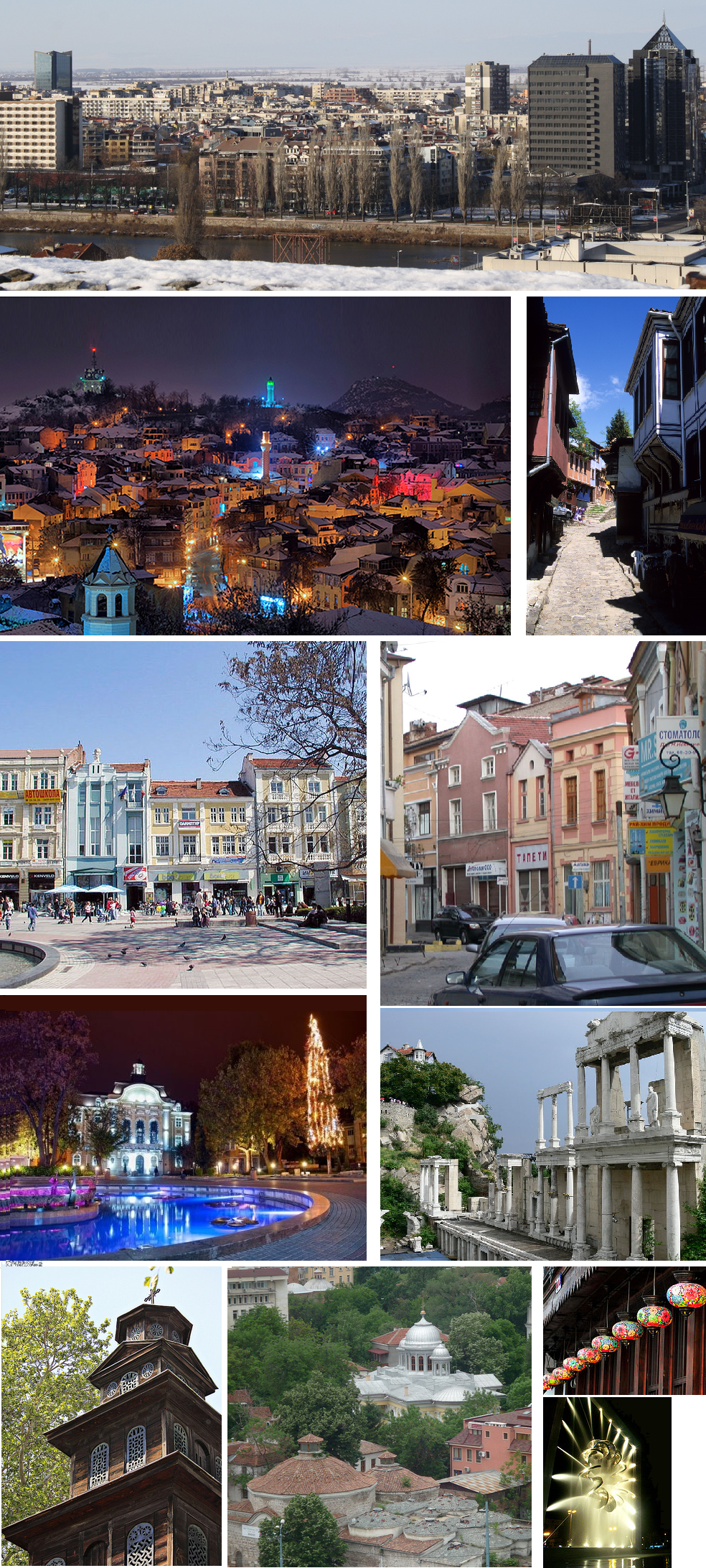
The second city of Bulgaria. The Ottoman quarter contains the Dzhumaya Mosque (1363, one of the oldest Ottoman mosques in Europe), the Roman amphitheatre (reused as the focal point of the Ottoman bazaar), and the magnificently preserved Bulgarian Revival-era National Revival houses built on top of the Roman remains during the late Ottoman period. The old town is on the steep slopes of the Three Hills.
Thessaloniki · Greece (Salonika)
The Sephardic Jerusalem of the Balkans

The empire's second city for four centuries. The largest Jewish-majority city in the world from c. 1500 to 1912. Almost the entire Jewish population — about 50,000 — was deported and murdered by the Nazis in 1943; less than 4% returned. The Ottoman architectural inheritance in Thessaloniki survives in patches: the White Tower (rebuilt c. 1530), the Bezesteni covered market (mid-15th century), the Hamza Bey Mosque (1467), and Atatürk's birthplace, now a small museum within the Turkish consulate.
The Arab Provinces
Cairo · Egypt
Ottoman Cairo

Cairo was, after Istanbul, the empire's second city by population for much of the 16th and 17th centuries. The Ottoman period left major mosques (the Muhammad Ali Mosque in the Citadel, 1848, was built on the Ottoman model long after Mehmed Ali's autonomy from Istanbul began), administrative buildings, and the substantial expansion of the medieval quarter under the early Ottoman governors. The Citadel itself is the principal Ottoman-era landmark.
Jerusalem · Israel/Palestine
The walls of Süleyman

The walls of the Old City of Jerusalem visible today are not Roman, Byzantine, or Crusader. They were built by Süleyman the Magnificent between 1535 and 1538 on the orders of the sultan, who instructed his governors to rebuild the defences of the holy city and to restore the watercourses. The Damascus Gate, the Jaffa Gate, and most of the visible walls are Ottoman. The Dome of the Rock was tile-clad during the same period (its current iconic blue tilework is largely 16th- and 20th-century).
Damascus · Syria
The departure point of the Hejaz Railway

Damascus was an Ottoman provincial capital from 1516, the staging point for the annual pilgrimage caravan to Mecca, and the northern terminus of the Hejaz Railway. The Sinan Pasha Mosque (1591), the Süleymaniye Tekke and the Hejaz railway station (still standing, partially in use) are the principal Ottoman-era survivals. Travel to Syria has been restricted since 2011; check current foreign-ministry advice.
Smaller Ottoman survivals
İznik · Turkey (Nicaea)
The tile-making city

Two hours south of Istanbul. The source of the famous Ottoman tiles that line the Süleymaniye, the Blue Mosque, and most major Ottoman buildings of the 16th and 17th centuries. The original kilns are gone; small modern workshops produce traditional tiles. The Yeşil Cami (Green Mosque) of 1391 is in town.
Konya · Turkey
The Mevlana tomb

The capital of the Anatolian Seljuk Sultanate, predecessor of the Ottoman beylik. Rumi (Mevlana) is buried here in the green-domed mausoleum (Ottoman-restored). The whirling dervish Mevlevi order, suppressed by Atatürk in 1925 and revived as a cultural performance, holds public sema ceremonies in winter.
Trabzon · Turkey
The Black Sea outpost

The Black Sea coast city captured by Mehmed II in 1461, ending the last Byzantine successor state (the Empire of Trebizond). Mahmud II grew up here as governor of Trabzon before his accession; Atatürk was the governor's secretary for a year. The Hagia Sophia of Trabzon (a Komnenian church converted to a mosque by the Ottomans) is now the city's principal monument.
Cappadocia · Turkey
The early Christian heartland under Ottoman rule

The volcanic landscape of central Anatolia, with its rock-cut churches and underground cities, was a Greek Orthodox heartland until 1923. The population was exchanged to Greece in the Lausanne population transfer. The Greek villages — Sinasos, now Mustafapaşa; the church-frescoes of the Göreme valley — are essentially preserved as the Greeks left them, with Turkish families now living in some houses.
Çanakkale · Turkey (Gallipoli)
The peninsula of 1915
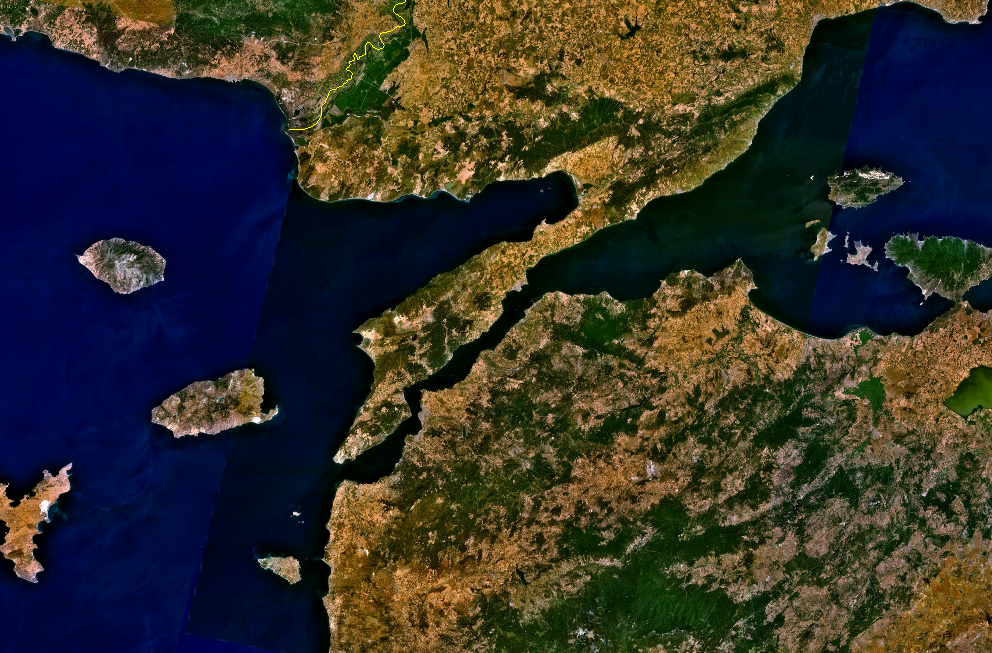
The Gallipoli battlefields. The Allied cemeteries, particularly the Australian and New Zealand cemeteries at Anzac Cove, are visited every year on 25 April. The Turkish cemeteries, especially the 57th Regiment Memorial, are quieter but moving. Mustafa Kemal's headquarters bunker has been preserved.
Berat · Albania
The Ottoman white town

An Ottoman provincial town in southern Albania, with a complete late-Ottoman residential quarter on a steep hillside. Locally called "the town of a thousand windows" for the white-faced houses with banks of small windows facing the river. UNESCO listed. The Bektashi Sufi heritage of Albania is also represented in the small ethnographic museum.
Rhodes · Greece
The fortress the Knights lost

Captured by Süleyman in 1522 after a six-month siege that ended four centuries of Knights Hospitaller rule on the island. The medieval Crusader walls remained the fortifications; the Ottomans added mosques (the Süleymaniye and the Mosque of Murad Reis), a small palace district, and a substantial naval base in the harbour. The Italian government (1912–1947) restored the Crusader buildings. The Ottoman quarter has slowly returned to view since the 1990s.
Wadi Rum · Jordan
The Hejaz Railway in the desert

The desert of southern Jordan still has, scattered across it, the ruined railway stations of the Hejaz line: Mudawwara, Aqaba, Ma'an. Several Ottoman-era forts protecting the pilgrimage route still stand. The Wadi Rum visitor centre runs jeep tours that include several Ottoman ruins. Lawrence of Arabia operated here in 1917–18.
End of the travel guide